
When it comes to managing MikroTik network devices, Winbox login stands out as an essential gateway for network administrators. Whether you’re setting up a new router or troubleshooting existing configurations, understanding how to effectively access your device through Winbox can significantly streamline your network management process. This comprehensive guide delves into everything you need to know about Winbox login, from initial setup to advanced management techniques, ensuring you gain full control with ease.
Understanding Winbox and Its Significance in Network Management
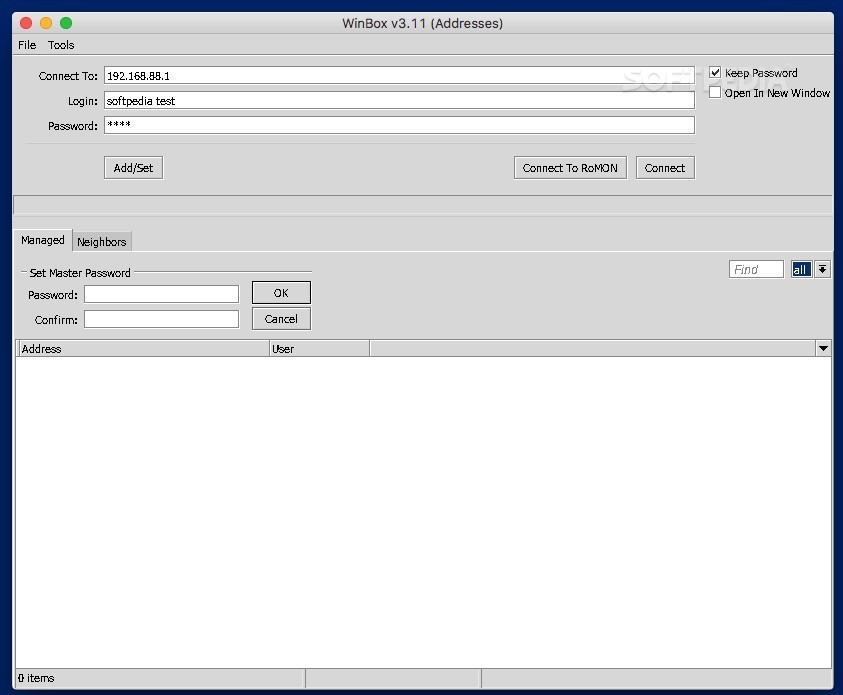
Before diving into the intricacies of Winbox login, it’s crucial to grasp what Winbox actually is and why it’s so vital for MikroTik device management.
Winbox is a Windows-based utility developed by MikroTik that provides a graphical user interface (GUI) for managing MikroTik RouterOS devices. Unlike command-line interfaces that require extensive scripting and technical knowledge, Winbox offers a user-friendly environment with intuitive navigation. Its popularity stems from the ability to configure, monitor, and troubleshoot MikroTik routers efficiently, making it the preferred tool for network administrators worldwide.
The significance of Winbox lies in its capability to connect directly to MikroTik devices via Local Area Network (LAN) or over the internet, provided the device is configured for remote access. This accessibility paired with the comprehensive management features makes Winbox indispensable. The Winbox login process is the entry point to this powerful interface, shaping the overall experience for users. A smooth and secure login process is fundamental to maintaining network integrity and operational efficiency.
Setting Up Winbox Login – Ensuring Seamless Access to MikroTik Devices

Initial setup and proper configuration are foundational for successful Winbox login and subsequent device management. Properly preparing your MikroTik router ensures secure and efficient access, preventing potential issues down the line.
Ensuring Compatibility and Preparations
Before attempting a Winbox login, verify that your device meets the necessary requirements. Winbox is designed primarily for Windows OS, but it can also run on Linux and macOS using emulators or Wine compatibility layers. Download the latest version of Winbox directly from MikroTik’s official website to benefit from recent updates and security patches.
To prepare your router:
- Confirm that RouterOS is installed and properly configured.
- Ensure that the router’s firewall settings permit Winbox access on the designated port (default is 8291).
- Set a strong password during initial setup or immediately after factory reset to prevent unauthorized access.
Proper network placement is also important; your computer should be connected within the same subnet or have a route to the device if accessing remotely. This avoids connectivity issues that could hinder your ability to Winbox login successfully.
Configuring Winbox for Secure Access
Security should be a core aspect of your Winbox setup. By default, routers may have weak or no passwords, leaving them vulnerable. Always change the default password to a complex one upon first login.
Furthermore, consider limiting Winbox access to specific IP addresses or networks:
- Use firewall rules to restrict access to the Winbox port.
- Enable encryption features within RouterOS when possible.
- Regularly update RouterOS firmware to benefit from security patches and new features.
Configuring a dedicated management VLAN or VPN access adds an extra layer of security, making sure your Winbox login process remains protected from external threats.
Troubleshooting Common Setup Issues
Common issues during setup are often related to network misconfigurations, firewall blocking, or incorrect IP settings. If the Winbox login fails:
- Double-check if the IP address and port are correct.
- Ensure the device is reachable via ping commands.
- Confirm that Winbox is allowed through the firewall both on your PC and on the MikroTik device.
- Reset the router to factory defaults if necessary and reconfigure with security considerations.
In summary, setting up your MikroTik device for seamless Winbox access requires careful preparation, security considerations, and troubleshooting readiness. Proper initial setup fosters a smooth login experience, empowering you to manage your network effectively and securely.
Step-by-Step Guide to Successful Winbox Login – From Connection to Navigation

Achieving a successful Winbox login is the first critical step towards configuring and managing your MikroTik device. This section offers a detailed, step-by-step process to connect, authenticate, and access your router’s interface efficiently.
Connecting Your Device via Winbox
The process begins with establishing a physical and network connection between your PC and the MikroTik router. Depending on your setup, connections can be wired or wireless, and configurations might vary slightly.
First, ensure your PC has the Winbox utility installed. You can download it from the MikroTik official website. Once you have Winbox ready:
- Connect your PC to the same network as your MikroTik device.
- Find your device’s IP address either through DHCP client tables in your router or via network scanning tools.
- Launch Winbox and input either the device’s IP address or MAC address for a more direct connection, especially if IP settings are misconfigured.
Verifying connectivity is crucial before attempting a login. Use the Command Prompt or terminal to ping the device IP address:
ping 192.168.88.1If the device responds, you’re ready to proceed with login.
Authenticating and Accessing the RouterOS
On the Winbox login window, you’ll be prompted to enter your credentials—username and password. Default credentials often are:
- Username: admin
- Password: (empty)
However, it’s strongly recommended to change these at first login for security reasons.
Enter the credentials carefully, observing case sensitivity. If the login is successful, Winbox will automatically attempt to connect to your device. Should you encounter login failures:
- Recheck the credentials.
- Look into any active firewall rules blocking the port 8291.
- Confirm that the device is configured for remote Winbox access if connecting over the internet.
Once logged in successfully, the Winbox GUI will display the device’s configuration for your management and modifications.
Navigating the Winbox Interface
Upon successful login, you’ll be greeted with the Winbox interface, which consists of various menus and panels. Familiarity with this environment is key to effective device management:
- Left Toolbar: Quick access to device tools like interfaces, wireless, routing, and users.
- Top Menu Bar: Options for file management, view customization, and help.
- Main Canvas: Central area showing the registered devices, logs, and real-time monitoring.
Exploring each section systematically allows you to understand device status, network traffic, and configuration options. Managing your MikroTik device through Winbox becomes intuitive once you grasp the layout. Think of it as a control center where you can quickly implement changes, monitor traffic, and enhance security.
Best Practices for Winbox Login Management
To maximize efficiency and security:
- Always save your login credentials securely.
- Use descriptive names for your device entries if managing multiple devices.
- Maintain a regular schedule for software updates and firmware patching.
- Avoid using default passwords and enable two-factor authentication when possible.
- Log out from Winbox sessions when finished or if you suspect suspicious activity.
With these steps, you’ll establish a robust foundation for managing your network hardware via Winbox with confidence and security.
Advanced Tips for Optimizing Winbox Login Experience and Device Management
Once you are comfortable with basic Winbox login, exploring advanced strategies can further streamline your network administration tasks, improve security, and enhance your device’s performance.
Automating Secure Access for Remote Winbox Login
Remote management often necessitates accessing MikroTik devices outside the local network. Automating secure remote Winbox login can save time while protecting your network:
- Use VPN tunnels to connect securely to your network before initiating Winbox access.
- Configure dynamic DNS services to manage changing IP addresses.
- Set up SSH tunnels to secure the Winbox port (8291), preventing exposure to the open internet.
Automations not only improve efficiency but also bolster security by encrypting communication channels and restricting access to authorized users.
Integrating Winbox with Network Management Tools
Modern network environments benefit from integrating Winbox-managed devices with broader network management systems:
- Use SNMP for device monitoring, complemented by Winbox management.
- Leverage scripts within RouterOS to automate tasks triggered from Winbox login sessions.
- Implement centralized security logging and audit trails.
Such integrations provide a holistic view of your network, simplifying troubleshooting and enhancing operational oversight.
Troubleshooting Persistent Winbox Login Challenges
Persistent login issues can stem from various causes, including network misconfiguration, device issues, or software glitches:
- Always ensure your RouterOS version is up to date.
- Clear any stale DHCP leases or IP conflicts that might block access.
- Use the MAC address for direct Winbox connection when IP-based methods fail.
- Review firewall and NAT rules that could be interfering.
Proactive troubleshooting minimizes downtime and ensures continuous access, which is vital for maintaining network health.
Comparative Analysis of Common Management Tools for MikroTik Devices
While Winbox provides a dedicated GUI for MikroTik, several other tools exist for device management, each with strengths and limitations:
| Tool | Platform Support | Ease of Use | Security Features | Use Cases |
|---|---|---|---|---|
| Winbox | Windows | High | Built-in, secure defaults | Direct device management |
| WebFig | Web-based (any OS) | Moderate | HTTPS encryption | Remote management via browser |
| MikroTik RouterOS CLI | All OS via SSH / Telnet | Advanced | SSH, strict access control | Scripting & advanced config |
| The Dude | Windows / Web | Moderate | Centralized monitoring | Network visualization and monitoring |
| API Integration | Platform agnostic | Customizable | Secure APIs | Automated management tasks |
This comparison underscores Winbox’s user-friendliness and depth for direct management, which remains unparalleled among MikroTik tools. Advanced users or those requiring automation might prefer CLI or API approaches, but Winbox remains the most accessible for quick and effective device configuration.
Conclusion
Mastering the Winbox login process unlocks the full potential of MikroTik network devices by providing a flexible, powerful, and user-friendly management interface. From initial setup, security considerations, troubleshooting common issues, to leveraging advanced features, understanding each phase of Winbox access is vital for robust network management. By ensuring proper configuration, adopting best practices, and exploring automation and integration strategies, network administrators can significantly enhance their operational efficiency while safeguarding their infrastructure. Ultimately, Winbox login isn’t just a technical step—it’s the gateway to creating, managing, and securing resilient networks tailored to modern demands.